

Wuff's Canine Health Clinic
Canine Nutritionist & Nutrition Coach
Dual Board-Certified Holistic Health Practitioner
BSc Health Science | BCHHP | BCFN (AADP)
IPHM Accredited Practitioner
Pet Therapeutic Nutrition | Holistic Canine Wellness
WUFF'S CANINE HEALTH CLINIC
Professional Qualifications & Continuing Education
At Wuff's Canine Health Clinic, professional education, scientific knowledge, and continuous learning are central to our commitment to advancing canine health and wellness. Our approach is grounded in health sciences, evidence-informed practices, specialized education, and a dedication to understanding dogs' complex physiological, nutritional, and health-related needs.
Our academic and professional development encompasses a broad range of disciplines, including canine and feline oncology, clinical and therapeutic nutrition, neurology, epilepsy, genetics, hereditary diseases, dermatology, hematology, renal and gastrointestinal health, metabolic disorders, animal behaviour, and preventative healthcare. This multidisciplinary educational foundation supports a comprehensive understanding of the interconnected factors influencing canine health and quality of life.
Particular emphasis is placed on oncology and the nutritional and physiological challenges associated with cancer and its treatment. Continuing education in veterinary oncology, cancer-related nutritional management, chronic disease processes, and supportive care helps us understand the complex needs of dogs with serious or long-term health conditions.
Our professional development includes certifications, specialized training, and continuing education undertaken through educational institutions, professional associations, and organizations involved in animal health, veterinary science, and clinical education. These learning opportunities support ongoing development in emerging research, disease processes, nutritional science, and approaches to animal wellness.
We recognize that scientific understanding and clinical recommendations continue to evolve. Maintaining current knowledge through continuing education is therefore an important part of our professional responsibility. Our commitment extends beyond completing individual courses to continuously evaluating scientific evidence, emerging developments, and advancements in canine health.
The qualifications and certifications presented below reflect our dedication to lifelong learning, professional growth, and responsible, individualized canine wellness support. They also demonstrate our commitment to working within our professional scope while recognizing the essential role of licensed veterinary professionals in diagnosis, medical treatment, and veterinary care.
Professional Certifications & Accreditation
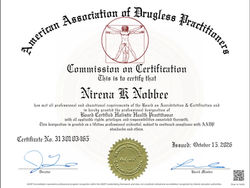 Board-Certified Holistic Health Practitioner (BCHHP)This professional board certification recognizes successful completion of the educational and professional requirements for holistic health practice. Within Wuff’s Canine Health Clinic, this credential complements a specialized focus on canine nutrition, integrative wellness, and supportive approaches to animal health. It reflects a commitment to evidence-informed nutritional strategies, holistic health principles, and promoting the overall health. |  Board-Certified Functional Medicine PractitionerThis professional certification recognizes education in functional and integrative approaches to health and wellness. At Wuff’s Canine Health Clinic, these principles complement a specialized focus on canine nutrition, digestive and metabolic health, immune support, healthy aging, and supportive nutrition for oncology. The approach emphasizes individualized, evidence-informed wellness strategies that support canine health and quality of life alongside conventional veterinary care. |  Member of Good Standing - AADPProfessional membership in good standing with the American Association of Drugless Practitioners (AADP) reflects a commitment to ethical standards, professional accountability, and continued development in holistic health practice. This recognition complements the clinic’s dedication to canine health and well-being, emphasizing individualized nutritional support, preventive wellness education, and integrative approaches that work alongside conventional veterinary care to support dogs throughout. |
|---|---|---|
 IPHM Professional AccreditationCertificate of Accreditation awarded to Nirena K Nobbee by the International Practitioners of Holistic Medicine (IPHM), recognizing professional practitioner accreditation within the holistic health and wellness sector. |  Pet Therapeutic Nutrition Coach CertificationCertificate awarded to Nirena Nobbee for completing professional education in Pet Therapeutic Nutrition, focusing on nutritional assessment, therapeutic dietary strategies, individual nutrition planning, and nutritional support for companion animals with specific health and wellness needs. |  Animal Naturopathy CertificationCertificate awarded to Nirena Nobbee for successful completion of training in Animal Naturopathy, covering holistic approaches to animal health, natural wellness principles, and complementary supportive care. |
 Being a Patient Advocate CertificationTraining focused on the principles of patient advocacy, including promoting animal welfare, recognizing individual patient needs, supporting informed decision-making, and encouraging effective communication throughout the care process. |
Canine & Feline Oncology
 Continuing Education through the American Veterinary Association (AVMA), focusing on nutritional considerations in veterinary oncology, the impact of cancer on nutritional status, and dietary strategies to support dogs and cats throughout cancer diagnosis, treatment, and recovery. Emphasis on individualized nutritional assessment, maintaining body condition, and supporting quality of life. |  Awarded by the International E-Learning Veterinary School, this certificate of knowledge reflects continuing professional education in canine and feline oncology, supporting an understanding of cancer-related health conditions in companion animals and the principles of oncology care. |  This certificate recognizes specialized education on the importance of food palatability, taste preferences, and nutritional acceptance in pets affected by cancer. The training explores how cancer and its treatments can influence appetite, taste perception, and feeding behaviour, emphasizing nutritional strategies that encourage food intake, support adequate nourishment, and help maintain body weight and quality of life. |
|---|
Medicinal Mushrooms & Herbal Therapeutics
 Professional continuing education presented by Dr. Rob Silver, DVM, through the IHS Learning Center and International Herb Symposium. Explores the therapeutic potential of functional and medicinal mushrooms in companion animal health, including their bioactive compounds, immunomodulatory properties, potential clinical applications, and emerging role in integrative animal healthcare. Emphasizes the scientific understanding of medicinal mushrooms and their potential contribution to immune health. |  Specialized continuing education presented by Dr. Gary Richter, DVM, through the IHS Learning Center and International Herb Symposium. Examines the application of botanical medicine and medicinal mushrooms in integrative veterinary oncology, including their potential immunomodulatory effects, therapeutic properties, and supportive role in cancer care. Explores complementary approaches to supporting companion animals undergoing cancer treatment. |
|---|
Neurology, Epilepsy & Neurological Disorders
 Canine Neurophysiology CertificateCompleted through the London College of Animal Osteopathy, this course focused on canine nervous system structure and function, neurophysiology processes, and the relationship between neurological function, movement, and overall canine health. |  Nutritional Management of Canine Epilepsy CertificationContinuing education provided by the World Small Animal Veterinary Association (WSAVA), focusing on nutritional considerations in canine epilepsy, dietary management strategies, and the role of nutrition in supporting neurological health and seizure management. |  Thick Paralysis CertificationSpecialized education examining tick paralysis in companion animals, including the effects of tick-associated neurotoxins on the nervous system, neurological dysfunction, clinical manifestations, and disease progression. The education explores neuromuscular impairment, changes in mobility and muscle function, and supportive care considerations relevant to overall animal health and well-being. |
|---|
Cardiovascular & Emergency Care
 Cardiovascular Disease CertificationFocused education examining cardiovascular disorders, including cardiac anatomy and physiology, circulatory function, common disease processes, clinical manifestations, and the importance of recognizing cardiovascular abnormalities in animal patients. |  Cardiopulmonary Resuscitation CertificationTraining covering the fundamental principles of cardiopulmonary resuscitation, including recognition of cardiopulmonary arrest, emergency response procedures, chest compressions, respiratory support, and the importance of timely intervention. |
|---|
Genetics & Hereditary Diseases
 Hereditary Diseases in Dogs CertificationContinuing Education provided by the World Small Animal Veterinary Association (WSAVA), exploring inherited disorders in dogs, genetic risk factors, breed predispositions, and the importance of genetic awareness in canine health and preventative care. |
|---|
Dermatology & Skin Health
 A Practical Clinical Approach to Canine Atopic Dermatitis CertificationContinuing education provided by the World Small Animal Veterinary Association (WSAVA) and Purina Institute, focusing on the clinical understanding and management of canine atopic dermatitis. The educational program explores the underlying mechanisms of allergic skin diseases, inflammatory responses, diagnostic considerations, and evidence-informed approaches to managing chronic dermatological conditions. Emphasis is placed on skin barrier function and nutritional considerations. |
|---|
Therapeutic & Clinical Nutrition
 Small Animal Nutrition - Hills AcademyCompleted professional continuing education in small animal nutrition through Hill’s Pet Nutrition Academy, focusing on dogs' and cats' nutritional requirements, essential nutrients, dietary balance, and the role of appropriate nutrition in supporting overall health and well-being. The course reinforces foundational principles of nutritional management and preventive health in companion animals. |  Pet Wellness & Life Stage NutritionCompleted professional continuing education through Hill’s Pet Nutrition Academy, focusing on nutritional wellness across different life stages in companion animals. The program emphasizes age-appropriate nutrition, changing dietary requirements, and the importance of balanced nutrition in supporting long-term health, preventive care, and overall well-being. |  Nutrition as the cornerstone of Proactive and Preventive Pet Health CertificationContinuing education provided by the Purina Institute, focusing on nutrition's role in proactive, preventive healthcare for companion animals. The educational program explores evidence-informed nutritional strategies, the relationship between dietary management and long-term health outcomes, and the importance of individualized nutritional assessment. Emphasis is placed on supporting physiological function, maintaining optimal body condition, and reducing nutrition-related health risks. |
|---|---|---|
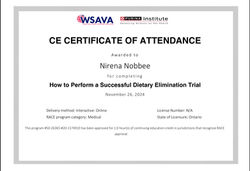 How to perform a successful Dietary Elimination Trial CertificationSpecialized continuing education examining the principles and clinical applications of dietary elimination trials in companion animals. The program explores the identification of adverse food reactions, selection of appropriate elimination diets, novel and hydrolyzed protein formulations, dietary challenge protocols, and nutritional assessment. Emphasis is placed on structured dietary management strategies for investigating food-related dermatological and gastrointestinal conditions. |  Nutrition & the Hospitalized Patient CertificationContinuing education provided through the World Small Animal Veterinary Association (WSAVA) and Purina Institute, focusing on nutritional management of hospitalized companion animals. The program explores nutritional assessment, energy and nutrient requirements, feeding strategies, and the role of nutritional support in maintaining physiological function, supporting recovery, and addressing the nutritional challenges associated with illness and hospitalization. |  Nutrition: The Building Blocks of Life CertificationFoundational education covering essential nutrients, including proteins, carbohydrates, fats, vitamins, and minerals, and their roles in metabolism, physiological function, growth, tissue maintenance, and overall animal health. |
 Conflicting Nutritional Priorities: Navigating Dietary Recommendations for Pets with Multiple MedicaSpecialized continuing education provided through CommuniVET, focusing on nutritional management of companion animals with multiple concurrent medical conditions. The educational program examines complex dietary requirements, conflicting nutritional priorities, clinical nutritional assessment, and individualized dietary strategies. Emphasis is placed on balancing competing nutritional needs, evaluating therapeutic diets, and supporting animals with chronic or overlapping health conditions. |
Diabetes & Metabolic Disorders
 Continuing education provided by the Purina Institute examines the role of clinical nutrition in managing diabetes mellitus in companion animals. The program explores glucose regulation, insulin function, carbohydrate metabolism, dietary composition, and the relationship between nutritional management and glycaemic control. Emphasis is placed on understanding nutritional considerations that support metabolic health in dogs and cats with diabetes. |  This certificate of completion from Hill’s Pet Nutrition recognizes specialized education in the nutritional management of feline diabetes mellitus. The training focuses on how therapeutic nutrition supports blood glucose regulation, maintains a healthy body weight, improves metabolic health, and manages diabetes in cats. It emphasizes appropriate dietary composition, nutritional monitoring, and individualized feeding strategies to support diabetic patients. |
|---|
Renal & Urinary Health
 Successfully completed continuing professional education focused on kidney function and renal health in small animals. The course covered renal physiology, the mechanisms of kidney disease, and the interpretation of important diagnostic markers, including urea and creatinine. It also examined the causes and classifications of azotemia, factors affecting renal function, and the role of laboratory testing in assessing kidney health and identifying potential renal abnormalities. |  Focused education examining feline kidney disease, including renal function, disease progression, clinical indicators, diagnostic considerations, and the importance of nutritional management and ongoing monitoring in cats with renal conditions. |  Continuing education from the Purina Institute focuses on nutrition and feeding strategies for cats with feline idiopathic cystitis (FIC). The educational program explores the relationship between nutrition, hydration, urinary tract health, and environmental stressors in the management of feline lower urinary tract disorders. Emphasis is placed on dietary moisture intake, feeding practices, and individualized nutritional support. |
|---|---|---|
 Continuing education is provided through the World Small Animal Veterinary Association (WSAVA) and Purina Institute, focusing on nutritional approaches to feline lower urinary tract disease. The educational program examines the role of dietary composition, water consumption, urine dilution, urinary pH, and mineral balance in supporting urinary tract health. Emphasis is placed on understanding nutritional strategies for managing urinary crystal and stone formation and supporting bladder health. |  Continuing education is provided through the World Small Animal Veterinary Association (WSAVA) and Purina Institute, focusing on comprehensive management strategies for feline chronic kidney disease (CKD). The educational program explores the progressive nature of renal dysfunction, nutritional management, hydration support, phosphorus regulation, protein considerations, and the importance of monitoring kidney function. |
Gastrointestinal Health & Microbiome
 Continuing education provided through VetFolio, powered by the North American Veterinary Community (NAVC), focusing on nutritional management of common gastrointestinal disorders in dogs and cats. The educational program explores digestive physiology, nutrient absorption, dietary modifications, gastrointestinal inflammation, and therapeutic nutritional strategies. Emphasis is placed on individualized dietary management, supporting intestinal function, and addressing digestive disturbances. |  Completed specialized continuing education through AnimalBiome Veterinary Academy, focusing on the gastrointestinal microbiome and its role in companion animal health. The course explores tools and approaches for evaluating microbial balance, understanding intestinal dysbiosis, and supporting digestive health through microbiome-informed nutritional and wellness strategies. |  Continuing education through the World Small Animal Veterinary Association (WSAVA) and Purina Institute explores the role of the gastrointestinal microbiome in companion animal health through clinical, case-based learning. The educational program examines intestinal microbial communities, microbial diversity, dysbiosis, and the relationship between gut microbiota, digestion, immune function, and gastrointestinal disease. |
|---|---|---|
 Continuing education provided through the World Small Animal Veterinary Association (WSAVA) and Purina Institute, focusing on clinical research involving probiotics and their applications in companion animal gastrointestinal health. The educational program explores probiotic mechanisms of action, microbial interactions, intestinal barrier function, and the relationship between beneficial microorganisms and digestive health. |  Continuing education examining chronic enteropathy in companion animals, including persistent gastrointestinal inflammation, intestinal dysfunction, altered nutrient absorption, and dietary-responsive intestinal disorders. The program explores the relationship between chronic digestive disease and clinical nutrition, including therapeutic dietary strategies, nutritional assessment, and supportive nutritional approaches for animals experiencing persistent gastrointestinal disturbances. |  Continuing education examining the role of prebiotics and probiotics in supporting the feline gastrointestinal microbiome. The program explores intestinal microbial diversity, beneficial bacterial populations, fermentation processes, short-chain fatty acid production, and the relationship between nutrition, gut microbiota, digestive function, and immune health. Emphasis is placed on microbiome-supportive nutritional strategies and maintaining gastrointestinal balance in cats. |
 Continuing education focusing on nutritional approaches to gastrointestinal conditions in cats. The program explores feline digestive physiology, nutrient absorption, dietary sensitivities, intestinal inflammation, and nutritional challenges associated with acute and chronic gastrointestinal disorders. Emphasis is placed on individualized dietary management, therapeutic nutrition, and supporting digestive function and nutritional status in cats with gastrointestinal conditions. |
Haematology & Clinical Laboratory Testing
 Certificate of Achievement in Essentials of Pathology and Laboratory Testing Procedures. This course encompasses hematology, red and white blood cell assessment, packed cell volume (PCV), total plasma protein (TPP), microscopy, refractometry, and examination of biological specimens. Additional areas include urinalysis, fecal examination, skin sampling, and biopsy-related laboratory procedures, supporting understanding of diagnostic testing and disease assessment in companion animals. |  This course explored biochemical markers used to assess kidney and liver function, metabolic health, and electrolyte balance. Particular emphasis is placed on understanding urea, creatinine, proteins, enzymes, and other biochemical parameters, including their clinical significance in identifying physiological abnormalities, evaluating disease processes, and supporting veterinary diagnostic assessment. |  Continuing education examining the physiological roles and clinical significance of sodium, potassium, chloride, calcium, and other electrolytes in maintaining cellular function, hydration, acid-base balance, and neuromuscular activity. The program explores electrolyte abnormalities, their relationship to renal function, dehydration, metabolic disturbances, and systemic disease, and the importance of laboratory findings in understanding physiological health and disease processes in companions. |
|---|---|---|
 Certificate of Achievement in Understanding Haematology Tests, focusing on the principles of veterinary haematology and the assessment of blood components in companion animals. The course covered red blood cells, white blood cells, platelets, haemoglobin, hematocrit, and other parameters evaluated in complete blood counts (CBCs). |
Pain Management, Musculoskeletal & Joint Health
 Successfully completed continuing professional education in the nutritional management of canine osteoarthritis. The course explored the role of therapeutic nutrition, omega-3 fatty acids, joint-supporting nutrients, antioxidants, and weight management in reducing inflammation, supporting cartilage health, improving mobility, and maintaining quality of life in dogs affected by osteoarthritis. |  Education focused on recognizing and assessing pain in animals, including behavioural and physiological indicators, pain assessment principles, and approaches to monitoring comfort, welfare, and responses to veterinary-directed pain management. |
|---|
Dentistry & Oral Health
 Specialized education introducing periodontal disease, dental assessment principles, periodontal therapy, and dental charting as essential components of veterinary oral health evaluation and documentation. |  Focused education on preventive dental care, including at-home oral hygiene practices, owner education, strategies to improve adherence to dental care recommendations, and long-term oral health maintenance in companion animals. |  Training emphasizing effective communication with pet owners regarding oral hygiene, periodontal disease prevention, dental health awareness, and the importance of appropriate home dental care and professional veterinary examinations. |
|---|
Animal Behaviour & Communication
 Continuing education through the Purina Institute Global Summit 2026, examining the relationship between nutrition, feeding practices, and the human-animal bond. The educational session explores how feeding interactions influence companion animal behaviour, emotional well-being, caregiver relationships, and quality of life, emphasizing the importance of nutrition in supporting positive interactions between animals and their caregivers. |
|---|
Animal Welfare & Bereavement
 Continuing education offered by the World Small Animal Veterinary Association (WSAVA) and Purina Institute focuses on companion animal bereavement, grief awareness, and compassionate communication with pet owners experiencing loss. The program explores the emotional impact of companion animal loss, approaches to supporting grieving families, professional empathy, and maintaining meaningful client relationships throughout end-of-life experiences and bereavement. |
|---|
Obesity & Weight Management
 Successfully completed the Weight Management – Canine course by Hill’s Pet Nutrition, earning 1.0 RACE-approved continuing education credit. The course covered canine obesity, body condition assessment, nutritional strategies for healthy weight loss, obesity-related health risks, and long-term weight management to support overall canine health and well-being. |  Continuing education is provided through the World Small Animal Veterinary Association (WSAVA) and Purina Institute, focusing on effective communication strategies for obesity prevention and weight management in companion animals. The program explores nutritional counselling, body condition assessment, obesity-related health risks, dietary management, and approaches to supporting sustainable weight reduction and long-term weight maintenance. |
|---|